
Speak With Our Team Today
212-460-0047
Blog
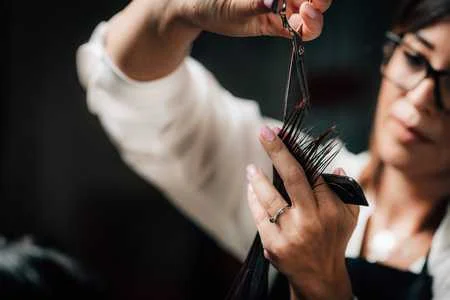
Hair stylist files class action for unpaid wages from COVID-19 closures
In the national scramble to close businesses amid the coronavirus pandemic, issues will undoubtedly arise regarding time worked and wages earned before the doors closed. Among many others, the personal care industry – consisting of hair salons, nail salons, spas, massage services and similar establishments…

Is arbitration still cost-effective?
For years, arbitration has been a crucial cost-saving measure for handling worker disputes. Employers have long preferred arbitration to the much more costly alternative of litigation. However, now, many plaintiffs and their lawyers are filing so many arbitration claims that it is overwhelming the system…

What does the Uniform Voidable Transactions Act mean for me?
Near the end of 2019, New York State approved the Uniform Voidable Transactions Act (UVTA), which will become effective on April 4, 2020. The UVTA is intended to modernize New York’s existing fraudulent conveyance laws and bring New York law in line with the law…

How have protections for workplace harassment victims improved in New York?
On August 19, 2019, Governor Andrew Cuomo signed into law some important amendments to New York State Human Rights Law (NYSHRL). These significant changes marked the beginning of ongoing updates to NYSHRL. The various changes to NYSHRL were scheduled to roll out throughout the year…

Retaliation charges top EEOC discrimination filings for FY 2019
The U.S. Equal Employment Opportunity Commission (EEOC) received 72,675 employee charges alleging employer violations of anti-discrimination laws in the agency’s fiscal year 2019. The most common charge was unlawful retaliation against the employee for asserting his or her rights under these laws. What Constitutes Illegal…

Department of Labor sued by 17 states for wage violations rule
Attorneys general from 17 states asked a federal judge to block a new Department of Labor (DOL) regulation that limits the circumstances where multiple companies can be held jointly accountable for wage violations. Under the new regulation, it is less likely that multiple companies will…
Schedule Your Consultation Today
To schedule a free consultation with an attorney please fill out the form below or call our legal team today!
Fields marked with an * are required
"*" indicates required fields

