
Speak With Our Team Today
212-460-0047
Can You Be Laid Off on FMLA Leave in NY or NJ?
Facing the uncertainty of being laid off while on family or medical leave in New York or New Jersey can be stressful and confusing. You need to understand your rights and protections under the law because this knowledge empowers you to handle the specifics of the Family and Medical Leave Act (FMLA) and protect yourself from potentially unjust actions.
While the FMLA provides significant job security, it does not offer absolute immunity from layoffs. Employers must have legitimate, non-retaliatory reasons for any layoffs during your leave. Knowing the details can help you manage this challenging situation and protect your rights.
Understanding the Family and Medical Leave Act (FMLA)

The Family and Medical Leave Act (FMLA) is a federal worker protection law designed to help employees balance their work and medical needs or family responsibilities by allowing them to take reasonable unpaid leave for certain family and medical reasons without fear of losing their jobs. Under the FMLA, eligible employees are allowed to take up to twelve weeks of unpaid leave within a 12-month period for specific family and medical reasons. These reasons include the birth or adoption of a child, caring for a family member with a serious health condition, or dealing with their own serious health condition.
To be eligible for FMLA leave, employees must have worked for their employer for at least 12 months, clocked at least 1,250 hours in the previous year, and be employed by either a public agency or by a private sector employer with 50 or more employees. During the FMLA leave period, employees are entitled to continue their health insurance benefits under the same terms and conditions as if they were still working. While the leave may be unpaid, the employee’s health insurance coverage continues, providing a safety net during times of need.
If the employee was paying a portion of the premiums before the leave, they must continue to pay their share of the premiums during the FMLA leave, and the employer must continue to pay their share of the health insurance premiums. If the employee fails to make their premium payments, the employer may terminate the health insurance coverage. However, the employer is required to notify the employee in advance and provide them with an opportunity to make the payments to maintain coverage.
FMLA guarantees job protection, ensuring that employees can return to their same or an equivalent position with identical pay, benefits, and other employment terms upon the conclusion of their leave. This job protection provides peace of mind for employees taking time off for family and medical reasons.
Legal Protections Under New York Law
New York offers additional legal protections beyond the federal FMLA, providing extra coverage for employees with family responsibilities. Employers in New York are required to maintain accurate documentation related to employee leave. They must also respond promptly to employee leave requests and ensure that employees are reinstated to their original or comparable position after their leave ends.
NY Paid Family Leave (PFL)
New York’s Paid Family Leave (PFL) program provides eligible employees with up to 12 weeks of paid leave to care for family members, to assist loved ones when a family member is deployed abroad on active military service or to bond with a new child. Unlike the FMLA, the New York Paid Family Leave Law does not apply when the employee needs time off to care for their own medical condition. However, employees in New York may be covered under the New York Paid Sick Leave Law or the NYC Paid Safe and Sick Leave Law, which provide additional protections for those needing time off for their own medical needs. These laws ensure that employees can take necessary sick leave without fear of losing their jobs, offering a safety net for personal health-related absences.
To be eligible for PFL, full-time employees must have worked for their employer for at least 20 or more hours a week for 26 consecutive weeks, and part-time employees who worked fewer than 20 hours per week must have completed 175 days of work, which need not be consecutive. The benefit amount is 67% of the employee’s average weekly wage, capped at 67% of the New York State Average Weekly Wage (NYSAWW). The program supports workers during life events with financial assistance and job protection. This time can be taken all at once or in full-day increments.
During the PFL period, employees must continue to pay their share of health insurance costs. This ensures that their health coverage remains intact, similar to the provisions under the FMLA. The PFL program does not replace FMLA but rather complements it, providing additional benefits and protections that can be particularly valuable for employees facing extended family needs.
New York PFL is an insurance program that employees must fund through payroll deductions unless the employer pays on behalf of the employee. This means that a small portion of an employee’s paycheck is set aside to cover the cost of the PFL insurance, ensuring that funds are available when the employee need to take leave. This system helps distribute the financial burden of taking leave over time, making it more manageable for employees when they need to utilize the benefits.
New York’s PFL helps alleviate financial burdens associated with taking time off work for family reasons by offering paid leave. This law emphasizes New York’s commitment to supporting its workforce with robust family leave policies, ensuring employees don’t have to choose between financial stability and family obligations.
New York Disability Insurance (NYDI)
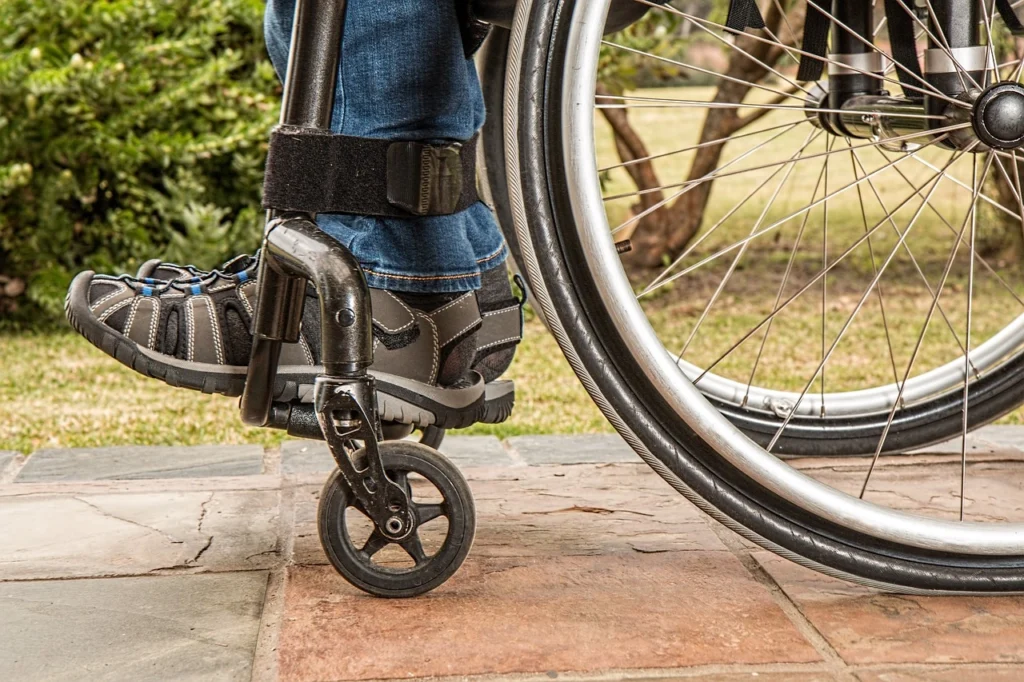
New York Disability Insurance (NYDI) provides partial wage replacement to employees who are unable to work due to a non-work-related injury or illness, including pregnancy. The program ensures that employees have financial support during periods when they are incapacitated and unable to earn their regular income. NYDI benefits are typically a percentage of the employee’s average weekly wage, subject to a maximum weekly benefit amount. The program is funded through payroll deductions, and in some cases, employers may choose to cover the cost on behalf of their employees. This safety net helps alleviate the financial burden associated with temporary disabilities, allowing employees to focus on their recovery without the added stress of lost wages.
Legal Protections Under New Jersey Law
Similar to New York, New Jersey offers additional protections for employees under the New Jersey Family Leave Act (NJFLA). This state law provides job-protected leave for employees who need time off for family-related reasons, such as caring for a family member.
NJ Family Leave Act (NJFLA)
To qualify for leave under the NJFLA, employees must have worked at least 1,000 hours in the past year, been employed for a minimum of one year, and be employed by a state or local government agency, or a company or organization with 30 or more employees. The NJFLA provides up to 12 weeks of unpaid leave for family-related needs, allowing employees to take time off to care for family members without fear of job loss.
The NJFLA’s job protection ensures that employees can return to their original or equivalent position after their leave ends. This protection, similar to the FMLA, is tailored to meet New Jersey’s workforce needs. The NJFLA supports employees in balancing work and family responsibilities while safeguarding their employment through job protection. These protections ensure employees don’t have to choose between job security and family needs. Additionally, the NJFLA allows employees to take leave to provide required care or treatment for a child if their school or place of care is closed by order of a public official due to an epidemic of a communicable disease (including COVID-19) or other public health emergency. Eligible employees can take a consecutive block of up to 12 weeks or can take leave on an intermittent or reduced schedule.
New Jersey Temporary Disability Insurance (TDI)
New Jersey Temporary Disability Insurance (TDI) provides partial wage replacement to employees who cannot work due to their own non-work-related injury or illness, including pregnancy. This benefit ensures that employees have financial support during times when they are unable to work due to health issues. The duration of this benefit is up to 26 weeks, offering significant support during extended periods of incapacity. The benefit amount can be up to 85% of the employee’s average weekly wage, subject to a maximum weekly benefit, which is updated annually to reflect changes in the cost of living and other economic factors.
New Jersey Family Leave Insurance (FLI)
New Jersey Family Leave Insurance (FLI) offers paid leave for bonding with a new child or caring for a family member with a serious health condition. This program is designed to support employees during significant family events, ensuring they can take necessary time off without severe financial impact. The duration of this benefit is up to 12 weeks within a 12-month period. The benefit amount is up to 85% of the employee’s average weekly wage, subject to a maximum weekly benefit, which is updated annually. Coordination with other leave is also possible; this can be taken consecutively with TDI if the employee’s leave qualifies under both programs, such as in cases of pregnancy-related disability followed by bonding leave.
Differences Between NY and NJ of Legal Protections for Family Leave
Understanding the differences between New York and New Jersey’s family and medical leave programs can help employees navigate their rights more effectively.
New Jersey:
- New Jersey Family Leave Act (NJFLA): Provides up to 12 weeks of unpaid leave for family-related needs, ensuring job protection and the ability to care for family members.
- Family Leave Insurance (FLI): Offers paid leave for bonding with a new child or caring for a family member with a serious health condition. These programs provide separate coverage for the employee’s own disability and for family leave.
New York:
- Paid Family Leave (PFL): PFL provides eligible employees with up to 12 weeks of paid leave to care for family members or bond with a new child, with benefits calculated as a percentage of the employee’s average weekly wage, capped at a percentage of the New York State Average Weekly Wage (NYSAWW).
Understanding these distinctions ensures that employees in both states can make informed decisions about their leave options and benefits.
Can You Be Laid Off While on FMLA Leave?
One of the most pressing concerns for employees taking FMLA leave is the fear of being laid off during their absence. These general principles are also true under the state laws. The reality is that while the FMLA provides significant job protections, it does not offer absolute immunity from layoffs. An employee may be lawfully laid off during FMLA leave if the layoff is due to reasons unrelated to their leave, such as:
- Company-wide reductions
- Financial difficulties
- Elimination of their position
Employers must have legitimate, non-retaliatory reasons for laying off employees who are on FMLA leave. The burden of proof lies with the employer to demonstrate that the layoff was justified and not connected to the employee’s leave. For example, during significant restructuring, if several positions are being eliminated, including that of an employee on FMLA leave, the employer must prove that the layoff would have happened regardless of the leave status.
Employees who are laid off during their FMLA leave should document all communications and notices received from their employer regarding the layoff. Proper documentation can be used to challenge the layoff or prove its connection to FMLA leave.
Retaliation and Unlawful Termination
Employees taking FMLA leave often worry about retaliation and unlawful termination. Retaliation includes punitive actions like demotion, termination, or altering job duties after an employee uses their leave rights. Federal and state laws strictly prohibit retaliation against employees for asserting their federal law leave rights.
Identifying Retaliation
Identifying retaliation can be challenging, but there are clear signs to watch for. Direct examples of retaliation include:
- Firing an employee for taking FMLA leave
- Reducing an employee’s position or salary upon return from leave
- Demotion
- Altering job duties negatively impacting their career
Employers cannot terminate or discriminate against employees for taking or requesting leave under either state’s leave law or the federal FMLA, reinforcing protections against unfair layoffs. Failure to provide a clear reason for a layoff during FMLA leave may raise concerns about the termination’s legitimacy.
Employees should seek clarity about their termination, especially if they suspect it may be linked to FMLA leave.
Legal Recourse for Retaliation
If you suspect retaliation for taking FMLA or state law leave, consulting an employment lawyer is key. An attorney from Katz Melinger can advise on your legal rights and explore potential recourse options. Legal counsel can clarify your rights and assess the circumstances surrounding your layoff, including any connection to FMLA leave.
Employees suspecting retaliation can file a complaint with the Department of Labor or pursue a civil lawsuit. Specific to leave taken under New York Paid Family Leave, if an employer fails to reinstate an employee, the employee can file a complaint with the Workers’ Compensation Board to ensure their rights are protected and receive the job protection guaranteed by law.
Steps to Take If You Are Laid Off During FMLA Leave
If laid off during FMLA leave, take immediate steps to understand the reasons for your termination.
- Request Detailed Information: Ask your employer for a written explanation of the layoff, specifying whether it was related to your FMLA leave. This documentation can help determine the legitimacy of the layoff.
- Document Communications: Keep thorough records of all communications with your employer regarding your layoff and FMLA leave. This includes emails, letters, and meeting notes.
- Recognize Retaliation Signs: Be aware of potential retaliation signs, such as sudden demotion, termination shortly after returning from leave, or counting FMLA leave as an absence.
- Consult an Attorney: Seek advice from a qualified employment law attorney. An attorney from Katz Melinger can assess your situation, provide legal guidance, and help determine if your layoff was related to your FMLA leave.
- File a Complaint if Necessary: If you suspect retaliation or unlawful termination, you can file a complaint with the Department of Labor or pursue a civil lawsuit. An attorney can guide you through this process.
- Maintain Records: Continue to document all interactions and actions related to your layoff and FMLA leave. These records can support your case if you need to challenge the layoff.
- Seek Legal Recourse: Follow your attorney’s advice on the appropriate legal actions to take. This may include filing a complaint or pursuing legal action to ensure your rights are protected.
New Jersey Family Leave Act (NJFLA) Recourse
Employees who believe their rights under NJFLA have been violated can file a complaint with the New Jersey Division on Civil Rights or pursue a legal claim in court. Consulting with an employment lawyer can provide crucial guidance and support in navigating these options.
New Jersey Temporary Disability Insurance (TDI) and Family Leave Insurance (FLI) Recourse
Employees can seek assistance from the New Jersey Department of Labor and Workforce Development or consult with an employment lawyer if they believe they have been retaliated against for using TDI or FLI. Legal counsel can help ensure that your rights are protected and provide a strategic approach to addressing your concerns.
New York Paid Family Leave (PFL) Recourse
Employees can file a complaint with the New York State Workers’ Compensation Board if they believe they have been retaliated against or wrongfully terminated. An experienced employment lawyer can help you navigate the legal process, gather necessary evidence, and advocate on your behalf to secure the best possible outcome.
Considerations for Employees on FMLA Leave
 Employees on FMLA leave should maintain thorough records of their leave usage and any communications with their employer. Documenting interactions related to FMLA leave can support potential retaliation claims and help protect your rights.
If you experience adverse actions linked to FMLA leave, these records can be invaluable in proving your case. Employees suspecting retaliation can file a claim under the FMLA generally within two years of the violation, ensuring sufficient time for legal recourse.
How Katz Melinger Can Help You
Understanding FMLA, PFL, and NJFLA can be challenging, especially when facing potential layoffs or retaliation.
Katz Melinger PLLC is dedicated to helping employees understand their rights and protect their interests during these critical times. Our experienced employment law attorneys provide comprehensive legal support, ensuring that you receive the job protection and benefits guaranteed by law.
- Legal Guidance: At Katz Melinger, we offer legal guidance tailored to your unique situation. Whether you are dealing with a layoff during FMLA leave, suspect retaliation, or need assistance with understanding your rights under NY PFL or NJFLA, our attorneys are here to help. We meticulously review your case, provide clear advice, and develop a strategic plan to address your concerns.
- Protecting Your Rights: Our commitment is to protect your rights as an employee. We help you document interactions with your employer, gather necessary evidence, and pursue legal action if needed. Our goal is to ensure that you are treated fairly and that any adverse actions taken against you are justified and lawful.
- Comprehensive Support: From filing complaints with the Department of Labor to pursuing civil lawsuits, Katz Melinger offers comprehensive support at every step. We understand the emotional and financial stress that employment issues can cause, and we strive to provide compassionate and effective representation to help you achieve a favorable outcome.
Take Action Today – Contact Us for a Consultation
If you are facing employment challenges related to the FMLA, PFL, or NJFLA, don’t wait to seek help.
Contact Katz Melinger today for a free consultation by calling 212-460-0047 or filling out our online form. Our experienced attorneys are ready to listen to your concerns, and help you take the necessary steps to protect your rights and secure your future. Reach out to us now and let us be your advocate.
The information provided should not be taken as legal advice. For the most current and thorough details, it is advisable to seek assistance from a legal professional by contacting a qualified attorney.
Schedule Your Consultation Today
To schedule a free consultation with an attorney please fill out the form below or call our legal team today!
Fields marked with an * are required
"*" indicates required fields

Office Address
370 Lexington Ave # 1512
New York, NY 10017
Office Phone
© Copyright 2026 Katz Melinger PLLC. All rights reserved.