
Speak With Our Team Today
212-460-0047
Unraveling the Complexities of Unpaid Wages Cases in New York
 As an employee in New York, getting fair and timely compensation for your hard work is not just a privilege — it’s a right. Unfortunately, situations arise where employers withhold or shortchange employees’ wages, leaving workers like you financially vulnerable.
If you find yourself in this situation, connect with an employment lawyer in New York right away to navigate the complex process of your unpaid wage case, so you can come out on the other side with everything you’re owed. Our firm is based in New York City and we represent clients in all boroughs, Nassau County, Suffolk County, Westchester County and its surrounding areas, as well as northern New Jersey.
Why Choose Katz Melinger PLLC
Our firm has a strong track record of success in wage recovery cases, including helping construction workers recover $215K in unpaid overtime and recovering unpaid overtime in another case.
With our firm, we offer:
- Deep experience helping New York and New Jersey employees recover unpaid wages
- Strategic handling of complex wage theft and underpayment cases
- Focused on maximizing recovery of unpaid wages, overtime, commissions, bonuses, and more
- Free, confidential consultations with our team.
What is an Unpaid Wage Case?
The first step is identifying whether you are indeed owed wages. The New York Labor Law and the New York Wage Theft Prevention Act clearly define what actions constitute wage theft, and what employers must do to avoid it.
Who is Protected Under New York Law?
If you work in New York, you are protected by wage laws if you are:
- An employee entitled to minimum wage.
- A non-exempt employee entitled to overtime (typically time-and-a-half pay after 40 hours of work in a week).
- An employee owed commissions or bonuses.
- A worker who has been improperly classified as an independent contractor or as a tipped employee while being denied proper wages or tips.
These protections ensure that you receive the wages you are legally entitled to under New York law.
Which Employers Must Comply with Wage Laws?
All employers operating within New York State, regardless of size, are bound by wage laws covering:
- Minimum wage requirements
- Overtime pay standards
- Lawful wage deductions
- Proper classification of workers
What is the Minimum Wage?
- $16.50/hour in New York City, Long Island, and Westchester (effective January 1, 2025)
- $15.50/hour in the rest of New York State (effective January 1, 2025)
Types of Wage Theft
 New York employees are protected against many types of wage theft, including:
- Minimum Wage Violation: Employers paying less than the mandated minimum wage.
- Overtime Denial: For most non-exempt workers, failing to pay one and a half times the regular hourly rate for all hours over 40 in a week. Learn more about failure to pay overtime.
- Misclassification:
- Misclassifying employees as independent contractors to avoid paying overtime.
- Classifying an employee as a tipped worker but denying them lawful tips while still paying them a reduced wage. See more on tip stealing and failure to pay wages.
- Unlawful Deductions: Unauthorized deductions for uniforms, meal breaks, or similar costs. Learn about automatic deductions for meal and rest breaks not taken.
Commission or Bonus Discrepancies: Failure to pay agreed-upon commissions or bonuses based on performance or sales targets.
Available Legal Remedies
Workers who successfully pursue wage theft claims may recover:
- Full unpaid wages
- Unpaid overtime, commissions, and bonuses
- Interest on unpaid wages
- Liquidated damages up to 100% of unpaid wages
- Attorneys’ fees and court costs
How to File a Wage Claim
If you believe you are owed wages:
- Attempt to Resolve Internally: Speak to your employer about the issue if possible.
- Consult a Lawyer: Contact a New York employment attorney if your employer refuses to fix the problem.
- Potential Legal Action: Depending on your situation, a lawyer can help you:
- File a complaint with the New York State Department of Labor (NYSDOL)
- Engage in settlement discussions
Initiate a lawsuit to recover unpaid compensation
Building Your Case: Evidence and Documentation
Important evidence includes:
- Pay Stubs: Your pay stubs should show your hours worked, pay rate, and any deductions. If you are not receiving pay stubs — which may itself violate the law — keep your own records of all payments.
- Carefully check for:
- Differences between the hours you actually worked and what appears on the stub.
- Unauthorized deductions, such as charges for uniforms or breaks. If you see anything unclear or deductions you don’t recognize, ask your employer for clarification.
- Time Sheets: Keep your own copies. Track your hours manually if needed. If the hours on your pay stub don’t seem correct, start tracking your own hours immediately. You can use your phone to “clock in and out” informally and compare your personal records against your employer’s numbers.
- Emails or Written Communications: Save written exchanges with your employer about hours, pay, or overtime.
- Witness Testimony: Identify coworkers who can support your account.
- Records of Work Performed: For delivery drivers: logs of deliveries. For salespeople: sales records.
- Keeping a Timeline: Document when you noticed the issue and your attempts to resolve it.
Preserving Evidence: As you gather evidence and talk to your employer, make sure you are making copies of anything relevant. If your employer is deliberately engaging in wage theft, they may not be above destroying evidence in an attempt to cover their tracks. Talk to a lawyer as soon as possible and get their advice on how to proceed at each step.
What is the Statute of Limitations for Wage Claims?
Different wage claims have different filing deadlines. Some must be brought quickly, while others can be filed within six years.
Be sure to talk with a qualified and experienced New York employment law attorney as soon as possible to understand if you have a case, what steps to take, and the time limit in which you must file your case with a court.
How Katz Melinger Can Help You
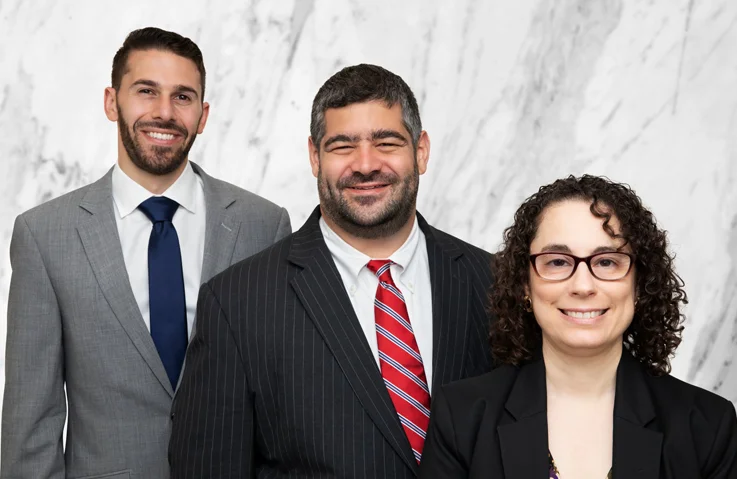 The laws surrounding wage theft can be quite complex and difficult to sort through, but that is precisely why employment lawyers exist. An experienced lawyer understands how the laws apply in your case and will make sure that your claim moves forward without delay while working to get you the best result possible.
At Katz Melinger PLLC, we:
- Thoroughly analyze your wage claim
- Advise you on your best legal options
- Aggressively pursue full compensation
- Help you avoid mistakes that could weaken your claim
We provide dedicated and determined representation for all of our clients. You can schedule your initial free consultation by calling 212-460-0047 or reaching us online.
FAQs
What qualifies as wage theft?
Minimum wage violations, unpaid overtime, misclassification, unlawful deductions, and unpaid bonuses or commissions.
How much time do I have to file?
Depending on the facts, you may have up to six years — but you should act quickly.
Who can file a claim?
Any employee who believes they have not been properly paid for their work, including hourly workers, salaried employees, tipped employees, and misclassified independent contractors, may be eligible to file a wage claim.
Additional Resources
For more on wage and hour issues, you may also find these helpful:
- Understanding Wage and Hour Laws in New York
- Can Salaried Employees Get Overtime in New York and New Jersey?
- Improper Deductions
- Tip Pooling and Tip Sharing Rules
- Case Results
The information provided should not be taken as legal advice. For the most current and thorough details, it is advisable to seek assistance from a legal professional by contacting a qualified attorney.
Schedule Your Consultation Today
To schedule a free consultation with an attorney please fill out the form below or call our legal team today!
Fields marked with an * are required
"*" indicates required fields

Office Address
370 Lexington Ave # 1512
New York, NY 10017
Office Phone
© Copyright 2026 Katz Melinger PLLC. All rights reserved.