
Speak With Our Team Today
212-460-0047
What can workers do when their paychecks are delayed?
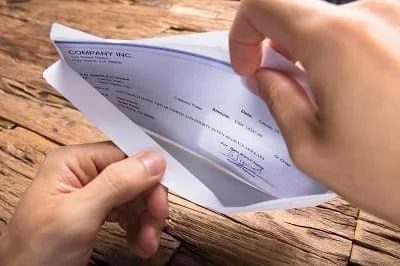
Most likely, there’s been Most likely, there’s been at least one point where you weren’t certain your paycheck was going to make it to the bank before the bill collectors tried to tap into those funds. In fact, it’s not uncommon for people to face this anxiety on a regular basis.
According to Forbes, approximately 78% of all workers live paycheck-to-paycheck. They need their checks deposited on time to buy their food, pay their rent and make sure their bills don’t bounce. So what can these people do when employers withhold their timely pay? The answer, as it turns out, is “quite a lot.”
What does Section 191 mean for New York’s manual laborers?
New York Labor Law Section 191 demands that most employers pay their manual workers on a weekly basis. It also requires them to pay within a week of the pay period. And the New York State Department of Labor considers most people to be “manual workers” if their jobs demand physical labor for at least one-quarter of their work week. Altogether, this means Section 191 gives a large chunk of the workforce a legal right to paychecks that arrive on time.
A recent ruling from the New York Supreme Court Appellate Division reinforced this idea. In its ruling, the court argued that late payment was a form of underpayment, and it also made several interesting points:
- The claimant could seek “liquidated damages.” These are damages that are tougher to define. While it’s easy to point to an amount of money that an employer might owe and to the interest that money could have collected, it’s harder to put a number on the stress that results from missing bill payments. Dealing with bill collectors. Having a stomach that’s never full.
- The employer could owe liquidated damages even if it paid the worker before the claim was filed. The late payment was still late.
- The defendant tried to argue it should only pay a penalty for failing to pay the worker on time, but the court said the worker had the right to sue.
As with many Supreme Court rulings, this has some far-reaching potential. Employers will likely take note because few of them will want to face lawsuits owing to late payments. Workers will want to hear that it’s not enough for their employers to pay them–they also need to make those payments on time.
How do you put a number on “liquidated damages”?
Since late payments can mean anything from a minor inconvenience to an eviction, how do you place a value on the suffering your late payments have caused you? Does the number of times your payments were late matter? What about the number of days or weeks that they were delayed? These are the sort of questions that need an experienced employment law attorney to answer.
For now, the court’s ruling simply offers New York’s workers an extra bit of hope that they can pay their bills when they come due. And if you’ve ever paid a late fee, you know there’s real value in those timely payments.
Schedule Your Consultation Today
To schedule a free consultation with an attorney please fill out the form below or call our legal team today!
Fields marked with an * are required
"*" indicates required fields

Office Address
370 Lexington Ave # 1512
New York, NY 10017
Office Phone
© Copyright 2026 Katz Melinger PLLC. All rights reserved.