
Speak With Our Team Today
212-460-0047
How to Handle Workplace Sexual Harassment in NY

Sexual harassment can manifest in various ways, from unwelcome sexual advances and inappropriate remarks to physical assault and quid pro quo propositions. In New York State, you have legal protections under both state and federal laws against sexual harassment at work. An employment lawyer in New York can help you understand your rights, and get justice if those rights have been violated.
Addressing Sexual Harassment at Work: Know Your Rights and Resources in NY
Identifying unwanted conduct as sexual harassment can be challenging, as the line between harmless behavior and unlawful conduct can sometimes blur. However, New York law provides some definitions and guidance.
Quid Pro Quo
Quid pro quo harassment, which in Latin means “something for something,” occurs when an employer or supervisor expects sexual favors in exchange for a workplace benefit. This can include promises of bonuses and promotions if sexual favors are given. It can also involve threats of termination, demotion, or reduced pay. Proving quid pro quo can get complicated at times, since threats and promises are often implied rather than stated directly. A good lawyer can help you understand how to proceed.
Hostile Work Environment
Hostile work environment harassment is about creating an intimidating, offensive, or abusive work atmosphere based on a person’s gender or sex. This can include:
Unwelcome Sexual Advances
 These can range from propositions and requests for dates to inappropriate touching and groping. Although sometimes couched as jokes,the key is that the advances are unwanted. It’s important to know that simply being asked out on a date, for example, may not be in itself harassment. The way the request is made can make it
harassment, or it can rise to the level of harassment if you request that the person stop asking, and they ignore your request.
Verbal Harassment
This may include offensive jokes, slurs, and comments about physical appearance.. Again, some people are not offended by sexual innuendo in jokes, so the key here will often be that you asked for the behavior to stop and it did not. In other cases, the joke or comment itself is clearly offensive enough.
Non-Verbal Harassment
This may involve displaying or sending sexually suggestive images, objects, or pornography in the workplace or via workplace devices, such as phones, computers, or even fax machines.
It may also include leering, staring, stalking, and making sexually suggestive gestures. It’s important to remember that the severity and frequency of the conduct are not the sole determining factors. Even a single incident of severe harassment can be actionable, and repeated instances of seemingly minor conduct can cumulatively create a hostile work environment. Every situation is different, and it takes a skilled employment lawyer in New York, familiar with local laws and precedents, to help you understand if you have a case and how to pursue it.
Reporting and Addressing Sexual Harassment
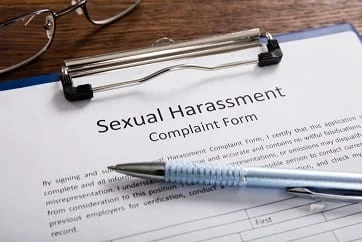 If you encounter sexual harassment in the workplace, taking immediate action is always important. Keeping records of the harassment can be valuable for both reporting and pursing a legal claim. Here’s how to turn documentation into a powerful tool:
Keep a Log
Maintain a journal or logbook in which you record each incident of harassment. Include the date, time, and location where it occurred. Be specific about the perpetrator’s actions or language. Note down any witnesses present or, if the incident happened online, document the platform and take screenshots if possible. Try to document each incident soon after it happens: memories recorded immediately after the incidents happened can be more reliable than later trying to think back over weeks and months.
Capture Details
Don’t rely on generalizations. Describe the exact words or actions that constituted harassment. Use quotes if the perpetrator made verbal remarks. If it involved physical contact, note the nature and duration of the touch.
Keep It Safe
Store your documentation securely. Consider password-protected digital formats or physical copies kept in a safe place outside your workplace.
Report the Harassment
It’s important to speak up if you are being harassed. The following are tips on how to navigate the reporting process:
Learn the Policy
 Familiarize yourself with your company’s policy on sexual harassment. It’s usually outlined in the employee handbook or posted on internal company websites. The policy should detail the designated individuals or departments responsible for handling such complaints.
Follow the Established Procedure
Don’t hesitate to report the harassment through the established channels. Follow the procedure exactly – don’t skip steps or go around people in the chain. The exception here is
if your harasser is a key person in the chain, or if you feel unsafe. Talk to your lawyer right away if either of these apply.
Be Clear
When reporting the incident, provide a factual and objective account of the harassment. Stick to the details of the incident, explain the nature of the behavior, the dates and times it occurred, and any witnesses present.
Request Documentation of Your Complaint
Ask for confirmation of your complaint in writing. This could be an email acknowledging receipt of your report or a formal complaint form with your signature. Having written documentation establishes a clear record of your action, and can also be used to show inaction on the part of the employer in some cases.
Maintain Communication
Once you’ve filed your complaint, stay informed about the investigation process. Follow up with the designated contact person at appropriate intervals to inquire about the progress and any potential outcomes. Remember, you have the right to be informed and involved.
[Related: How Do You Report Sexual Harassment in New Your and In New Jersey?]
Consider Your Options
Equal Employment Opportunity Commission (EEOC)
You can file a charge of discrimination with the EEOC, a federal agency responsible for enforcing workplace anti-discrimination laws. The EEOC will investigate your complaint and may attempt to reach a settlement with your employer, or may issue you a “right to sue” letter, allowing you to pursue a lawsuit in court.
New York State Division of Human Rights
Similarly, you can file a complaint with the New York State Division of Human Rights, which enforces state anti-discrimination laws. They will investigate your claim and may seek to resolve it through mediation or other means.
Lawsuit Against Your Employer
A lawsuit might seek remedies such as monetary damages for emotional distress, lost wages, and punitive damages against the employer. Note that, depending on the law at issue, you may need to file with the EEOC first before proceeding with a lawsuit.
Talk to an Employment Lawyer in New York
There are pros and cons, as well as many nuances, to each of the above options. Consulting with an employment lawyer will help you understand the specific legal options you can pursue and the potential outcomes of each, including litigation. A lawyer can also help you pursue the right path in the way that gives you the best chance of getting justice and resolution. If you’ve been experiencing workplace harassment, don’t hesitate, and don’t go it alone. Contact Katz Melinger PLLC right away for a consultation. We can help you understand your rights under federal and New York law and decide on the next best steps.
Schedule Your Consultation Today
To schedule a free consultation with an attorney please fill out the form below or call our legal team today!
Fields marked with an * are required
"*" indicates required fields

Office Address
370 Lexington Ave # 1512
New York, NY 10017
Office Phone
© Copyright 2026 Katz Melinger PLLC. All rights reserved.