
Speak With Our Team Today
212-460-0047
Category Archives: Judgments
Selling Property to Satisfy a Judgment: 4 Points to Consider
Judgment creditors have many options when enforcing a judgment. They can freeze bank accounts, garnish wages, and sell property, to name a few. In some cases, they can even sell a judgment debtor’s house and use the proceeds to satisfy the judgment. But foreclosing on…

Answers to your questions about commercial collections in NY
Collecting on unpaid debt from another business is an important part of many small businesses in New York. Yet collecting on unpaid debt is no easy task. The best way to collect depends upon the type of debt, who owes the debt and applicable laws.…
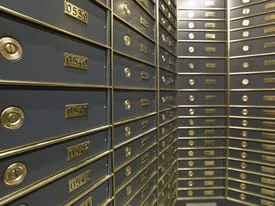
Using the Contents of a Safe Deposit Box to Satisfy a Judgment
Contrary to popular belief, seizing houses and cars and freezing bank accounts are not the only ways to enforce a judgment. There are other creative avenues to pursue against a debtor who may or may not have liquid funds to satisfy a judgement, including issuing…

Seizing Assets From Property With Joint Owners
Our previous post discussed some creative ways to enforce judgments (such as seizing the contents of a debtor’s safe deposit box) and alluded to the challenges of taking such actions when the account is owned jointly by the debtor and non-debtor. In this article, we…
Collecting From Defunct Businesses
Creditors with judgments are often discouraged when they hear that the company that owes them money has gone out of business. Fortunately, the state legislature has passed laws restricting corporate debtors from engaging in certain transactions involving the company’s owners and shareholders once a lawsuit…

Think It’s Too Difficult to Collect on Your Judgment? Not Always.
Creditors often assume that their judgments are not worth pursuing, either because they believe that the debt is too small, the debtor is insolvent, the debtor’s assets are geographically removed, or that the debtor is otherwise safe from collection efforts. Often it pays to make…
Schedule Your Consultation Today
To schedule a free consultation with an attorney please fill out the form below or call our legal team today!
Fields marked with an * are required
"*" indicates required fields

Office Address
370 Lexington Ave # 1512
New York, NY 10017
Office Phone
© Copyright 2026 Katz Melinger PLLC. All rights reserved.