
Speak With Our Team Today
212-460-0047
Building a Strong Wrongful Termination Case in NY

While New York is considered an “at-will” employment state, this does not shield employers from all liability when terminating an employee. Wrongful termination occurs when an employer violates specific laws, an employment contract, or established public policies in dismissing an employee. If you work in New York and believe you were the victim of wrongful termination, here are a few thoughts from an employment lawyer in New York about the elements required to build a successful case.
Building a Strong Wrongful Termination Lawsuit in New York: Thoughts from a Wrongful Termination Lawyer in New York
Consider the Grounds for Your Lawsuit
Discrimination
 Discrimination is a common ground for a wrongful termination lawsuit. Federal, state, and city laws prohibit employers from terminating employees based on protected characteristics, with New York City law affording protection for the greatest number of characteristics, including:
• Age
• Disability
• Race
• Color
• National Origin
• Religion
• Sex (including pregnancy)
• Sexual orientation
• Gender identity
• Genetic information
• Military or veteran status
Discrimination can take many forms. It might be an outright firing based on a protected characteristic, but it could also be demotions, unfair performance reviews, or creating a hostile work environment that forces a person to resign. If you can prove that a protected characteristic played a substantial role in your termination, a strong case exists for wrongful termination based on discrimination.
Retaliation
Another common ground for a wrongful termination lawsuit is retaliation. Retaliatory termination occurs when an employer fires an employee for reporting discrimination or harassment; filing a workers’ compensation claim; taking protected medical or family leave; engaging in union organizing activities; or cooperating with a government investigation. New York laws protect employees who engage in protected activities, such as reporting or complaining about illegal or unethical conduct within their workplace. This is known as “whistleblower” protection. Retaliatory terminations violate the law, and you may have grounds for a lawsuit.
Breach of Contract
Sometimes an employment relationship is governed by a written contract, either for a specific period or outlining certain conditions of employment. In other scenarios, an implied contract may form based on company policies, employee handbooks, or verbal promises made by your employer. If your employer violated the terms of an express or implied contract when they terminated you, a breach of contract claim within a wrongful termination lawsuit might be appropriate. Consider factors like a severance package being promised, whether the company followed its own disciplinary and termination procedures, or whether promises were made regarding job security or advancement.
Public Policy Violations
New York courts recognize an exception to at-will employment with wrongful termination cases involving clear violations of public policy. These scenarios might include firing an employee for refusing to engage in illegal activity, terminating an employee for fulfilling a legal obligation (like jury duty), or dismissing an employee for exercising a legally protected right (like voting). These cases are often complex and can be challenging to prove, so seeking experienced legal advice is crucial if you believe your termination stemmed from a violation of public policy.
Document Everything
Regardless of the reason underlying your wrongful termination claim, thorough documentation is important. Keep careful records of any evidence that supports your case. Performance reviews can be a useful record to have in proving wrongful termination as positive reviews and a lack of documented performance problems can weaken an employer’s argument that the termination was lawful. Emails and other forms of communication can also play a key role in building your case. Preserve emails, memos, or other communications related to the termination or events leading up to it. Pay attention to anything that suggests discrimination or retaliation.. Keep records of company policies as well, such as copies of employee handbooks, manuals, and policies outlining termination procedures and employee rights. In addition, identify co-workers who witnessed discriminatory behavior, were aware of your complaints, or can testify about your work performance.
Be Aware of the Statute of Limitations
In legal terms, a statute of limitations sets a time limit for filing a lawsuit. The time limit for wrongful termination claims in New York varies depending on the specific claim. Discrimination claims based on state law usually must be filed with the New York State Division of Human Rights within 3 years. Federal discrimination claims often must be filed with the Equal Employment Opportunity Commission (EEOC) within 300 days. Breach of contract claims typically have a statute of limitations of six years in New York. Due to these varying and sometimes short time frames, consulting with an employment attorney and taking quick action after a wrongful termination is crucial.
Consider the Potential Damages Awarded in Wrongful Termination Lawsuits
Back Pay
Back pay compensates for lost wages and benefits from the time of termination up to the point of the judgment or settlement. It may include lost salary, bonuses, health insurance, retirement contributions, and other benefits you would have received had you not been wrongfully terminated.
Front Pay
Awarded in lieu of reinstatement, front pay compensates for projected future lost wages if returning to your former job is impractical or undesirable. This type of award considers the length of time it might take you to find a comparable position and the potential for any differences in pay between your old job and a new one.
Emotional Distress Damages
These damages recognize the emotional and mental suffering wrongful termination can cause. Victims of wrongful termination may experience anxiety, depression, stress, loss of self-esteem, and damage to their reputation in the professional community.
Punitive Damages
If an employer exhibited particularly egregious misconduct, punitive damages may be awarded both to punish the behavior and to be a deterrent to future wrongdoing. These damages are meant to send a message that intentional wrongdoing by employers carries serious consequences.
Attorney’s Fees
In some cases, you may be able to recover attorney’s fees if you win your case. This can be a significant help, allowing you to pursue justice without being overwhelmed by legal expenses.
Consult with an Experienced Employment Attorney
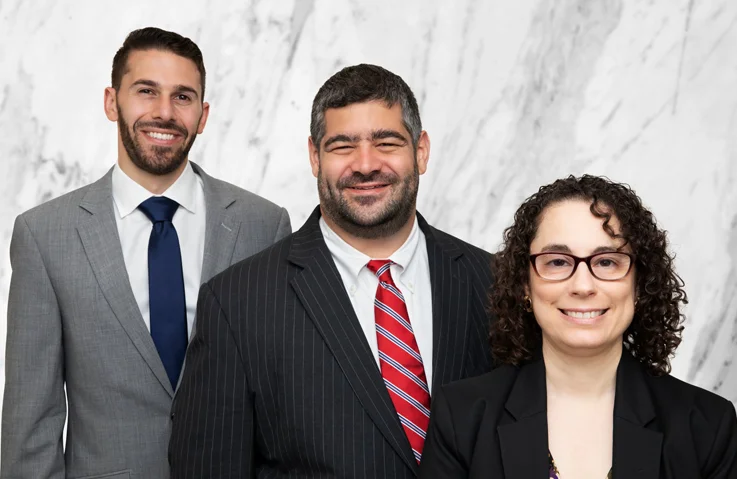 Wrongful termination lawsuits can be legally complex, so it is wise to consult with an employment lawyer well-versed in New York law. An employment attorney will evaluate your case and the circumstances of your termination to determine if you have a solid claim for wrongful termination. They will also explain your legal options, since the specifics of your case may determine whether you are able to pursue reinstatement, back pay, lost benefits compensation, emotional distress damages, and other remedies. Your employment lawyer will then investigate your claim, gather evidence, and prepare a compelling case to present on your behalf. In some cases, your employment attorney may negotiate a fair settlement with your former employer, without going for a full-blown trial. However, if a trial is necessary, your employment lawyer will represent you in court, presenting the case before the judge and jury and advocating for your rights. Building a strong case for wrongful termination in New York requires knowledge of the complex legal landscape and great attention to detail. If you suspect you have been the victim of wrongful termination, contact Katz Melinger, PLLC today for a free consultation. Our experienced team of employment attorneys has in-depth knowledge of New York employment law as well as federal employment law, and knows how to work with administrative bodies like the EEOC and New York’s Division of Human Rights.
Schedule Your Consultation Today
To schedule a free consultation with an attorney please fill out the form below or call our legal team today!
Fields marked with an * are required
"*" indicates required fields

