
Speak With Our Team Today
212-460-0047
As “ban the box” spreads, background checks are tricky ground for employers
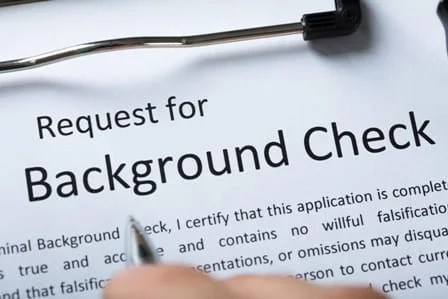
Employers have long conducted background checks on job applicants, and for good reason. Depending on the position, previous actions by an employee may reflect badly on the company if they come to light. Some jobs require a background check on all potential employees.
While employers have an incentive to conduct background checks, they can also be unfair to employees. This is particularly true when a background check generates a false positive or the company fails to conduct them in accordance with state and federal regulations.
For example, employers must disclose that they will be conducting a background check on applicants. If a background check results in the employer withdrawing a job offer, the applicant must be informed of which credit agency was used and how to contact it.
Several government entities have enacted ‘ban the box’ laws
While there are federal regulations governing employee background checks, some local governments have passed additional laws that provide more protection to employees. About 30 states have passed some form of “ban the box” legislation, which limits employers’ ability to inquire about applicants’ criminal record.
In 2017, the final regulations for New York City’s Fair Chance Act took effect. This law restricts employers’ ability to conduct background checks. For example:
- Employers may not ask applicants about their criminal histories prior to making a conditional job offer.
- Employers may not post job listings that say things like “must pass background check” or “no felonies.”
- Employers may not consider arrests that never led to a conviction.
- If an employer withdraws a conditional offer after a background check, it must give the applicant an explanation in writing and hold the job for three days to allow the applicant to respond.
Applicants who fail to get a job because of violations of background check laws may be able to obtain compensation through an individual or class-action lawsuit.
Don’t miss an update! Sign up for our newsletter.
Schedule Your Consultation Today
To schedule a free consultation with an attorney please fill out the form below or call our legal team today!
Fields marked with an * are required
"*" indicates required fields

Office Address
370 Lexington Ave # 1512
New York, NY 10017
Office Phone
© Copyright 2026 Katz Melinger PLLC. All rights reserved.