
Speak With Our Team Today
212-460-0047
Construction Workers Recover Nearly $1,000,000 in Unpaid Overtime at Prevailing Wage Rates
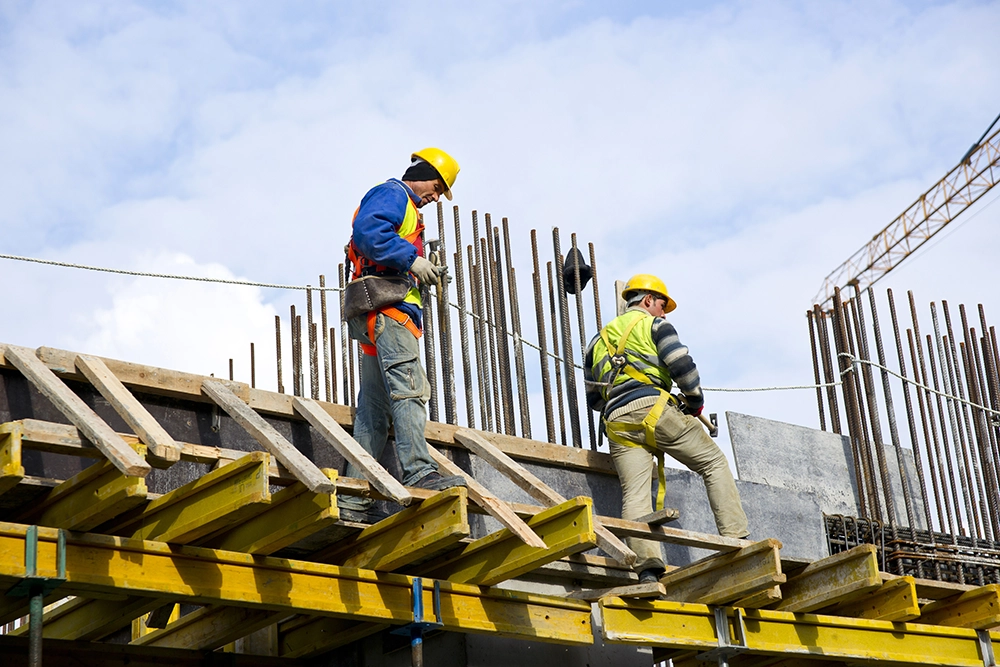
Public work in New York comes with a promise. Workers on taxpayer funded projects must be paid the prevailing wage set for their trade, including the correct overtime rate for the hours they put in. When a construction company working under a City of New York contract paid below that rate, a group of its workers came to Katz Melinger. What began as a question from a handful of employees became a class action that returned nearly $1,000,000 in unpaid wages to more than 200 workers. Here is how the case unfolded, and what it means for anyone paid less than the prevailing wage on public work in New York.
Situation
A group of construction workers came to Katz Melinger after finishing work on a public project for the City of New York. They had been hired by a construction company that held a public works contract. On public work in New York City, the law requires contractors to pay a prevailing wage. Prevailing wage is the set hourly rate, benefits, and overtime that contractors on publicly funded projects must pay workers in each trade. For some of the work these employees performed, the company paid them less than that required overtime rate.
The Legal Issue
The company was bound by the prevailing wage requirement of New York Labor Law Section 220, the statute that governs pay on public work in New York. Under Section 220, every contractor and subcontractor on a public works project in New York City must pay each worker the prevailing wage and supplemental benefits set for their trade. The New York City Comptroller sets and enforces those rates on city projects. Paying below the scheduled rate is a violation, and the workers were owed the difference between what they received and what the schedule required.
The Challenges
Prevailing wage cases turn on records, and the records here spanned years and hundreds of workers. The underpayment was not limited to the few clients who first walked in the door. It appeared across the company’s payroll. Proving that required matching the employees’ pay records with their schedules and the correct prevailing wage schedules for each trade and each period of work. The clients also carried the ordinary worry of anyone who reports a current or former employer, the concern that coming forward could affect future work.
The Strategy
Katz Melinger opened an investigation into the company’s pay practices rather than treating the matter as a single worker’s complaint. The firm reviewed the company’s payroll records, the clients’ schedules, and the prevailing wage rates. That review showed a practice of underpayment that ran across the company’s payroll, and it identified more than 200 workers who had not received all the wages they were owed. With that evidence and the clients’ firsthand accounts, the firm pursued the claim as a class action. A class action lets one group of workers seek relief on behalf of everyone harmed by the same practice. The firm negotiated directly with the company and reached an agreement before any contested litigation, which allowed for a quick and efficient result for every affected worker.
The Outcome
The company agreed to a class action settlement of nearly $1,000,000. The exact figure was $980,000. The settlement covered not only the workers who first contacted the firm but the full group of more than 200 employees affected by the underpayment. Every member of the class received notice of the wage issue and an opportunity to recover the wages owed to them.
Because the terms were agreed before a contested court fight, the class recovered without years of drawn out litigation.
What This Means
When one worker is underpaid on a public project, others on the same payroll often are too.
Prevailing wage underpayment tends to follow a company practice rather than a single mistake, which is why a claim brought by a few workers can grow into recovery for the entire group.
Workers on public work in New York are entitled to the prevailing wage set for their trade, and that right does not disappear because an employer ignored it. Katz Melinger represents employees across New York and New Jersey who were paid less than the law requires. You can learn more on the firm’s Wage Theft and Overtime page.
Frequently Asked Questions
Do I have to be the only worker underpaid to bring a case?
No. When an employer underpays one worker often, the same practice usually affects their co-workers as well. In this matter a claim that started with a few workers grew into a recovery for more than 200 employees who had been underpaid the same way.
What is the prevailing wage and who has to pay it?
Prevailing wage is the hourly rate, benefits, and overtime that contractors on public work must pay workers in each trade. In New York City, New York Labor Law Section 220 requires every contractor and subcontractor on a public works project to pay it, and the New York City Comptroller sets and enforces the rates. The rates change by year, job titles and duties of the employee.
Can workers recover unpaid wages without going to court?
Often, yes, without a contested court battle. In this case we investigated the company’s payroll, presented the evidence, and negotiated the settlement terms first. A class action settlement is still filed with the court and approved by a judge, but because the terms were agreed in advance, that process moved quickly. Many wage claims resolve through negotiation rather than a drawn out trial.
How far back can unpaid wages be recovered?
New York Labor Law allows workers to recover unpaid wages going back six years. That means underpayment from earlier in a project or an earlier job can still be part of a claim today.
Speak With a Wage Theft Lawyer
Katz Melinger represents employees who were paid less than they earned on projects in New York and New Jersey. The Free Confidential Case Review is exactly that: free and confidential.
Learn more about how these claims work on the firm’s Wage Theft and Overtime page, or request your Free Confidential Case Review to have your pay reviewed. Workers on public work in New York are legally entitled to the full prevailing wage for their trade, and the law provides six years to recover what was underpaid.
Attorney Advertising. Prior results do not guarantee a similar outcome. This page is general information, not legal advice, and does not create an attorney-client relationship.
Schedule Your Consultation Today
To schedule a free consultation with an attorney please fill out the form below or call our legal team today!
Fields marked with an * are required
"*" indicates required fields

Office Address
370 Lexington Ave # 1512
New York, NY 10017
Office Phone
© Copyright 2026 Katz Melinger PLLC. All rights reserved.